


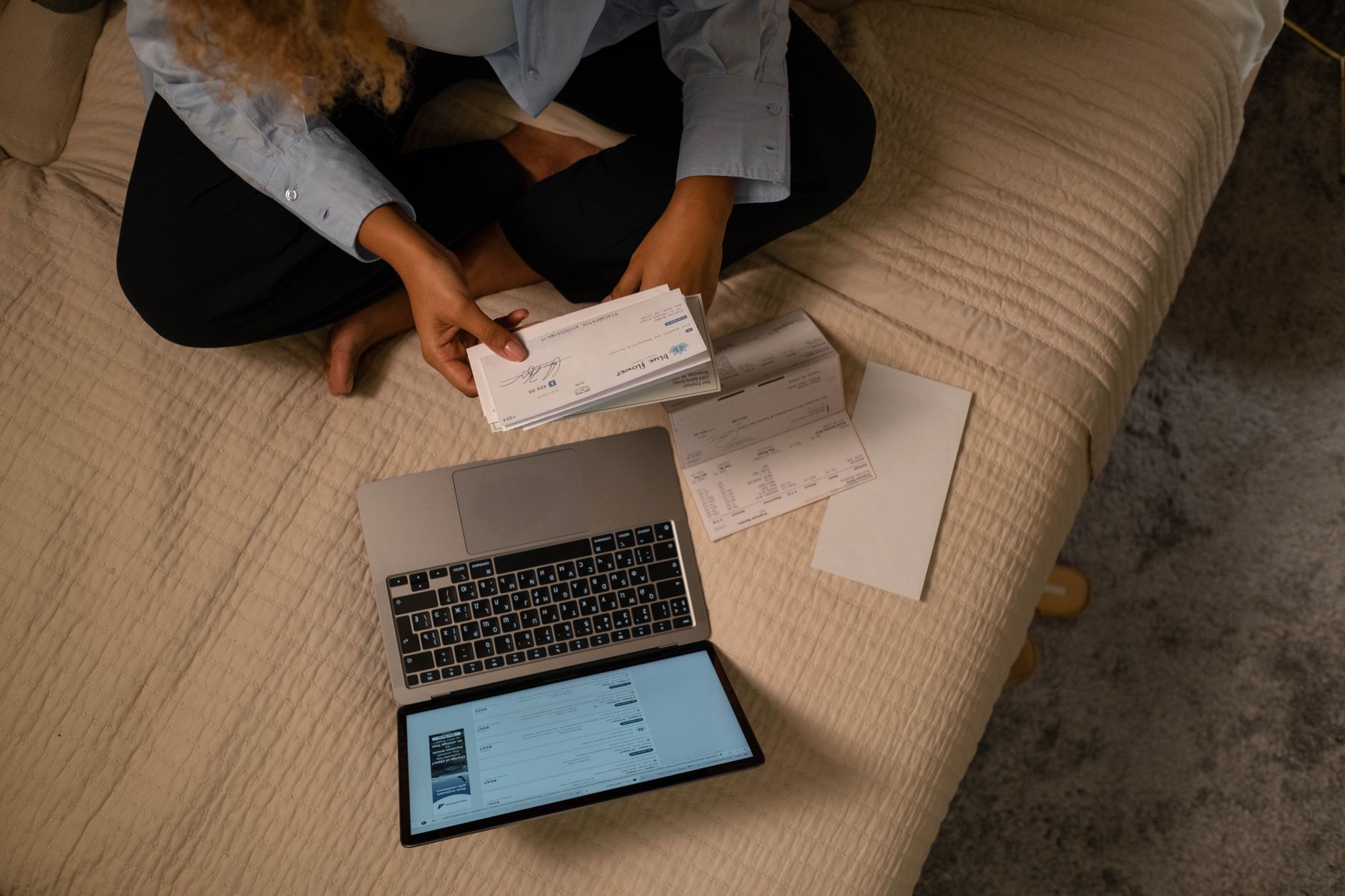
Confused by banking jargon? Learn the outstanding check meaning today. Discover new 2026 banking rules and how to protect your money.
Banks absolutely love to use confusing words. They make very simple things sound incredibly complicated. A normal person just wants to pay their monthly rent. They just want to buy fresh groceries. Suddenly, a serious bank teller is talking fast. The teller mentions account reconciliation and cleared funds. It drives normal folks completely crazy.
One annoying term trips absolutely everyone up. The bank calls it an outstanding check. You really need to understand the outstanding check meaning to survive the strict banking world in 2026. If you completely ignore it, you will make a huge mistake. You will accidentally spend money you do not actually have. You will loudly bounce important payments. You will get hit with totally massive overdraft fees. Let us easily strip away all the bank jargon right now. We will look exactly at how this whole process actually works.
What Is An Outstanding Check Anyway
A paper check is basically just a written promise. When you write a check to a local plumber, you make a deal. You are promising that your personal bank will give them real money. You sign the paper with a pen. You hand it over to the worker. Now, the ball is entirely in their court.
They have to take that small piece of paper to their own bank building. Until they actually do that, the money stays safely in your account. The check is out there floating in the world. It is just waiting to be fully processed. That is exactly what an outstanding check truly is. It is a delayed payment that is floating in banking limbo. You look quickly at your shiny banking app. You see a high balance of $500. However, you fully know you gave the busy plumber a check for $200. Your true spending balance is only $300. The giant bank just does not know it yet. This weird time delay is what causes giant financial headaches.
The Slow Death Of Paper Checks
We are totally living in a fast digital age. Sending digital money instantly through a phone is totally normal. Writing out a physical piece of paper feels incredibly ancient. The massive Federal Reserve knows this fact perfectly well. They are slowly killing off old paper check services.
By the end of the year 2026, the government will completely stop processing foreign paper checks. They really want absolutely everyone on secure digital systems. Digital app payments fully clear in just a few seconds. There is absolutely no dangerous limbo period. However, small local businesses still love paper checks. Older folks also prefer them deeply. They leave a very solid physical paper trail. Because people still heavily use them, outstanding delayed payments remain a huge daily problem. You write a paper check to your grandmother. She puts it on her kitchen fridge. It stays there for six whole months. It just sits there quietly. It completely ruins your mental financial math.
New Bank Rules To Stop Dangerous Fraud
Banks are completely tired of dealing with fake checks. They lose millions of real dollars every single year. They lose it to clever scammers. In early 2026, major banks launched a brand new security system. It acts exactly like a very strict bouncer at a nightclub door.
When a paper check finally arrives at the bank building, the computer goes to work. The machine carefully reads the exact handwritten name on the paper line. It matches the written name to the bank account trying to cash it. If a check is made out to a specific painter, the system knows. If a totally random stranger tries to cash it, the system fully freezes the transaction. This smart tech makes old checks much safer. It also means an outstanding delayed payment might get wrongly rejected. It might get sent completely back to you in the mail. The promised money stays stuck in weird limbo even longer. It is a very messy system overall. But it is totally necessary to stop modern thieves.
Unclaimed Property And The Important SAFER Act
What exactly happens when a paper check sits in a dark drawer forever? It officially becomes a stale check. Banks will absolutely not cash a paper check that is older than six months. The actual piece of paper becomes completely worthless. However, the exact money you promised still exists in the universe.
State governments have very strict laws for this exact situation. In 2026, a brand new rule called the SAFER Act passed. If a giant business writes a check to a factory worker, rules apply. If the worker never cashes it, the business cannot just silently keep the money. After a certain amount of time, the business must surrender that hidden cash. They send it straight to the state government. The state safely puts it in a massive unclaimed property fund. The old worker can log onto a state website years later. They can legally claim their totally lost cash. This effectively stops greedy corporate companies. They can no longer cancel old checks just to unfairly boost their own quarterly profits.
The Ultimate Nightmare Of Business Accounting
For a regular guy, an uncashed check is just mildly annoying. For a massive business, it is a complete nightmare. A busy landscaping company might write two hundred checks every single week. They pay dirt suppliers. They pay truck mechanics. They pay daily laborers.
If ten of those written checks are currently outstanding, problems happen. The company's official financial books are totally wrong.
Huge Risks Of Ignoring Business Checks
- Cash Flow Panic: Thinking you have way more operating cash than you actually do.
- Vendor Anger: A loud supplier claims they never got paid at all.
- Tax Mistakes: Reporting totally incorrect business expenses to the scary government.
- Audit Failure: Your own internal records completely fail to match the bank.
Professional accountants spend hours doing a terrible chore. It is called a bank reconciliation. They sit at a desk with a wooden ruler. They use a bright red pen. They check off every single paper check that fully cleared the bank. Anything left without a red mark is an outstanding dangerous liability. It is incredibly tedious work.
How To Safely Fix A Lost Payment
Sometimes a written check is truly completely lost. The family dog ate it. It fell out of a torn wallet. If a full month goes by, you must take action. The check is still totally outstanding. You have to actively fix it. Do not just quickly write a second check. If you do that, the person might eventually find the first one. They might cash both of them on the exact same day.
You have to call your personal bank directly. You must request a formal stop payment order. You give the bank teller the exact printed check number. You give them the exact dollar amount. You usually pay a small penalty fee. It is usually around thirty dollars. The bank puts a strong digital block on that specific piece of paper. If it ever shows up at a teller window, they will completely refuse to process it. Once the block is fully active, you are safe. You can safely write a new check. It is definitely a hassle. But it perfectly protects your bank account from terrible double charges.
Tracking Your Own Messy Finances
You have to act exactly like your own personal accountant. Do not blindly trust the giant green numbers on your mobile banking app. The phone app only knows what has fully cleared the system today. It does not know about the paper rent check you dropped in the blue mailbox yesterday.
Keep a small paper ledger. It can be a tiny notebook. It can be a simple app on your phone. Write down every single check you ever write. Subtract that exact amount from your balance immediately. Treat the money as if it is already totally gone. When you look at your private ledger, you are safe. You will see your absolute true spending power. Understanding the outstanding check meaning deeply saves you. It completely saves you from painful unexpected overdraft fees. It keeps your daily finances grounded in reality.
FAQs
Can a bank forcefully clear a check early?
No. A check can only be cleared when the exact person who received it deposits it. The issuing bank cannot speed up this slow process at all.
How much does a bounced check actually cost?
If an outstanding delayed payment finally clears and you lack funds, you pay. Your bank will quickly charge an overdraft fee. This is usually between $25 and $35 per single incident.
Is an outstanding check deeply bad for my credit score?
The outstanding delayed status means absolutely nothing to credit bureaus. It only hurts your score if the check completely bounces. It also hurts if it goes to a collections agency.
Why do government checks take so very long to become stale?
Checks issued by the U.S. Treasury often remain totally valid for up to one full year. The government sets its own special rules. They are much more lenient than normal commercial bank policies.
