
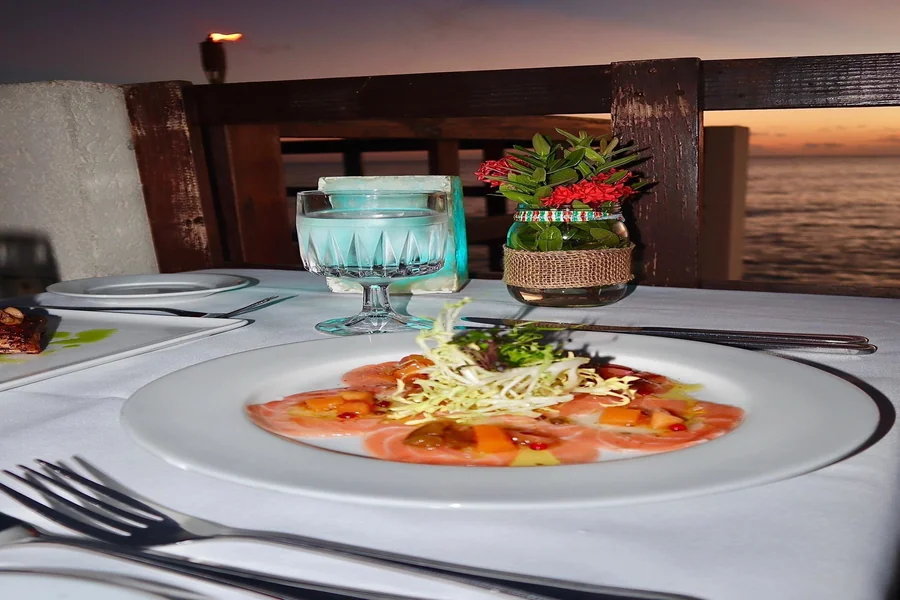
Introduction: Why Caribbean cuisine is often misunderstood
For decades, Caribbean cuisine has been unfairly reduced to beachside grills, rum punches, and casual seafood shacks. While those experiences are part of the region’s charm, they obscure a more sophisticated reality. Today, Caribbean fine dining has evolved into a globally respected culinary movement especially in the Cayman Islands, where chefs combine classical European training with bold local flavors.
Travelers seeking refined culinary experiences often overlook the Caribbean in favor of cities like Paris, Tokyo, or New York. This oversight means missing one of the most dynamic and innovative food destinations in the world. The Cayman Islands, in particular, have emerged as a benchmark for excellence, offering a fusion of technique, sustainability, and cultural authenticity.
Understanding how Cayman Islands food reached this level reveals important lessons about culinary innovation, sourcing, and hospitality standards.
Why the Cayman Islands Lead Caribbean Fine Dining
The Cayman Islands have earned the nickname “Culinary Capital of the Caribbean.” This reputation is supported by measurable factors.
High concentration of world-class restaurants
Despite a population of just over 80,000, the islands have an unusually high density of fine dining establishments. Many chefs bring experience from Michelin-starred kitchens in Europe and North America.
This concentration creates:
- Strong competition that raises quality standards
- Diverse culinary perspectives
- Consistent innovation in menu design
Restaurants like Blue by Eric Ripert, led by renowned chef Eric Ripert, exemplify how global techniques can coexist with local ingredients.
The Foundation of Cayman Islands Food: Local Ingredients with Global Technique
At the core of Caribbean fine dining is ingredient integrity. Cayman chefs rely heavily on fresh, local sourcing.
Key local ingredients driving culinary excellence
Seafood
The surrounding Caribbean waters provide exceptional seafood, often delivered to restaurants within hours of being caught.
Common fine dining selections include:
- Wahoo
- Snapper
- Mahi-mahi
- Lobster (seasonal)
- Conch
Freshness enables chefs to use minimalist preparations that highlight natural flavor.
Tropical produce
Local farms supply:
- Breadfruit
- Cassava
- Plantains
- Mango
- Coconut
- Scotch bonnet peppers
These ingredients add distinctive depth and regional identity.
Signature Dining Experiences That Define the Region
The Cayman Islands offer a variety of environments where Caribbean fine dining thrives.
Waterfront fine dining
Oceanfront settings enhance both ambiance and culinary storytelling. Restaurants such as Grand Old House in George Town combine historic architecture with refined menus focused on seafood and premium meats.
Similarly, The Wharf offers elegant oceanfront dining that integrates Caribbean flavors into contemporary cuisine.
These venues demonstrate that fine dining in the Caribbean is defined not only by food quality but by complete sensory experience.
Destination-driven culinary tourism
Areas like Seven Mile Beach have become culinary hubs, where high-end restaurants attract international travelers specifically for food experiences.
This shift reflects a global trend: travelers increasingly choose destinations based on dining reputation rather than traditional sightseeing alone.
How Chefs Elevate Traditional Caribbean Flavors
The defining characteristic of Caribbean fine dining is the transformation of traditional recipes using modern techniques.
Example: Reinventing conch
Conch, a staple of Cayman Islands food, is often served fried in casual settings. Fine dining chefs elevate it through:
- Precision slicing for carpaccio
- Citrus curing techniques
- Pairing with microgreens and infused oils
- Artistic plating techniques
This approach preserves cultural authenticity while enhancing sophistication.
Technique-driven innovation
Modern kitchens use advanced culinary methods such as:
- Sous vide cooking for precise texture control
- Flavor infusion through controlled temperature techniques
- Modern plating for visual storytelling
These methods allow chefs to present Caribbean flavors in globally competitive formats.
The Role of Wine Programs and Pairings
A hallmark of Caribbean fine dining is the development of extensive wine collections. Many Cayman restaurants maintain cellars with thousands of bottles.
This emphasis reflects broader fine dining trends where beverage pairing enhances the overall experience.
Typical pairings include:
- Crisp white wines with fresh seafood
- Light reds paired with spiced Caribbean dishes
- Champagne paired with shellfish
These thoughtful combinations elevate Cayman Islands food beyond traditional expectations.
Sustainability and Responsible Sourcing
Sustainability is increasingly central to Cayman’s culinary leadership.
Restaurants emphasize:
- Seasonal fishing practices
- Local sourcing to reduce environmental impact
- Supporting regional farmers and fisheries
This model benefits both the environment and culinary quality.
Fresh, seasonal sourcing improves:
- Flavor intensity
- Nutritional value
- Menu innovation
Sustainability is no longer optional it is a defining element of modern Caribbean fine dining
Economic and Cultural Impact of Culinary Excellence
The rise of Cayman Islands food has broader economic and cultural implications.
Tourism growth is driven by food
Culinary tourism contributes significantly to the local economy. Visitors increasingly prioritize dining experiences when choosing travel destinations.
This creates:
- Employment opportunities
- Growth in hospitality infrastructure
- Increased global recognition
Cultural preservation through cuisine
Fine dining also protects cultural heritage. By elevating traditional ingredients and recipes, chefs preserve Caymanian identity while sharing it with international audiences.
This balance between innovation and tradition ensures long-term cultural sustainability.
Practical Tips for Experiencing Caribbean Fine Dining in the Cayman Islands
Travelers seeking authentic fine dining experiences should consider the following strategies:
1. Make reservations in advance
Top restaurants often book days or weeks ahead, especially during peak travel seasons.
2. Explore chef tasting menus
Tasting menus provide the most complete expression of a restaurant’s philosophy and creativity.
3. Ask about local sourcing
Restaurants proud of their sourcing practices often share details about local farms and fisheries.
4. Embrace seasonal dishes
Seasonal menus reflect peak ingredient quality and showcase authentic Cayman Islands food.
5. Understand dining etiquette
While the atmosphere is relaxed compared to major global cities, fine dining standards still apply:
- Smart casual or formal attire
- Respectful dining pace
- Appropriate tipping
The Future of Caribbean Fine Dining
The trajectory of Caribbean fine dining points toward continued global recognition.
Several factors support this growth:
- Increased investment in hospitality infrastructure
- Rising global interest in regional cuisines
- Continued influx of internationally trained chefs
- Strong focus on sustainability
The Cayman Islands are positioned to remain leaders in culinary innovation within the Caribbean and beyond.
Conclusion: Key Takeaways
Caribbean fine dining has evolved into a sophisticated culinary movement that rivals global food capitals. The Cayman Islands stand at the forefront of this transformation.
Key insights include:
- The Cayman Islands are widely recognized as the Caribbean’s culinary capital
- Local ingredients combined with global techniques define modern Cayman Islands food
- Sustainability and sourcing play central roles in quality and innovation
- Fine dining contributes significantly to tourism and cultural preservation
- Travelers can access world-class culinary experiences without leaving the Caribbean
As global culinary standards continue to evolve, the Cayman Islands demonstrate that excellence is not limited by geography but defined by creativity, discipline, and respect for ingredients.


